
 By
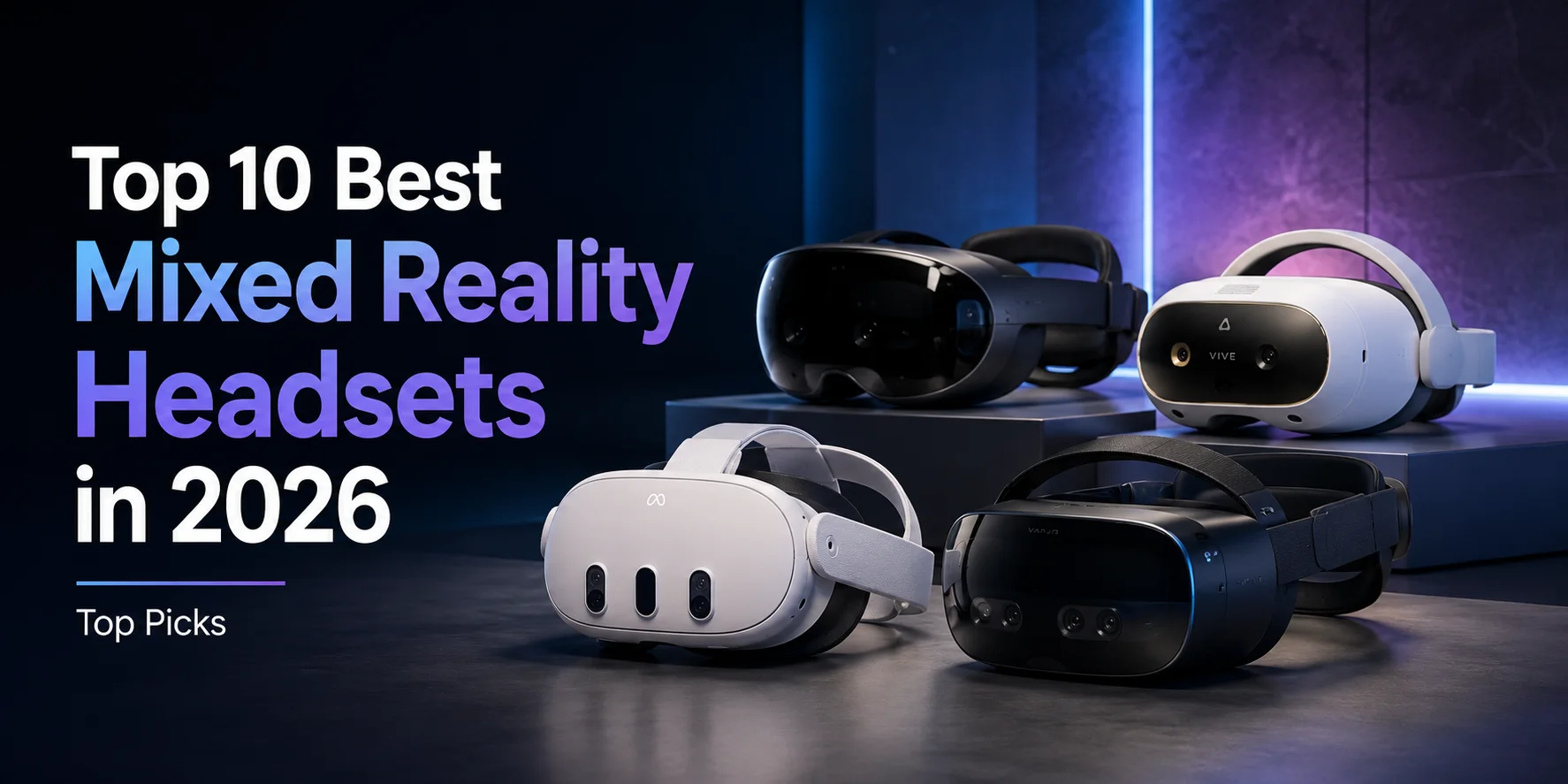
By Forget about AR or VR, there is a new technology making waves, and it is known as mixed reality or simply as MR. Though it was introduced in 1992, later on it was actually commercialized in 2016 by Microsoft.
The mixed reality headsets are more expensive than the other virtual reality models. But they offer something distinct and pioneering.
If you consider to buy MR headset but have confusion about how they work or what features to look for, then this guide is for you.
We cover every aspect and info that you need in order to make you pick the best gear. You’ll find the list of the best mixed reality headsets along with their top features. These top picks are actually tested by our technical experts and is not guesswork. If you have any other questions about mixed reality, you can find the answers at the last section.
What Makes the Mixed Reality Headset so Special
Mixed reality is a combination of Virtual Reality VR and Augmented Reality. When you play with VR, you get fully immersed in the game, but it may make you feel a bit isolated from the players. When it comes to augmented reality, it makes the object appear real, but there are not many interactions. That's where mixed reality stands out. It combines the immersion of VR and the realistic nature of AR to give you a highly responsive and thrilling experience.
With a mixed reality headset, you can experience any moment by placing the objects and complete themes inside your room. You can interact with objects and move them around just like in the real world.
Major Brands to Consider for MR Purchase
When you go out to shop or search for brands online, you'll come across many brands. Here are some of the top-rated and trustworthy providers for MR headsets:
Meta
ActiveApple
ActiveVarjo
ActiveHTC VIVE
ActiveASUS
ActiveVRgineers
ActiveSamsung
ActiveMicrosoft
DiscontinuedHP
DiscontinuedLenovo
ActiveHow We Tested Top MR Headsets
The team of product testers at Find Headsets set out to audit these models in the same conditions so that there could be equal comparisons. So the tests were aimed to somehow examine the display quality, field of view, tracking precision, controller tracking, comfort, and performance.
The evaluation truly took place for standalone and PC connected systems. Furthermore, AR/MR passthrough, battery life, and usability were also taken into consideration. We used both practical experience and also the technical specifications in order to develop a sound guide for buyers.
Display Quality & Field of View
Comprehensive evaluation of visual clarity, resolution, and immersive viewing angles.
Tracking Precision & Controller Tracking
Testing accuracy, latency, and responsiveness of head and controller movements.
Comfort, Battery & Usability
Evaluating long-term wearability, battery performance, and overall user experience.
Top 10 Mixed Reality Headsets (Our Pick)
Now comes the main part, which is mixed reality headsets to actually buy. After careful testing and reviews, we were able to compile the following list. We'll discuss their top features, who should consider a particular headset, as well as the pros and cons.
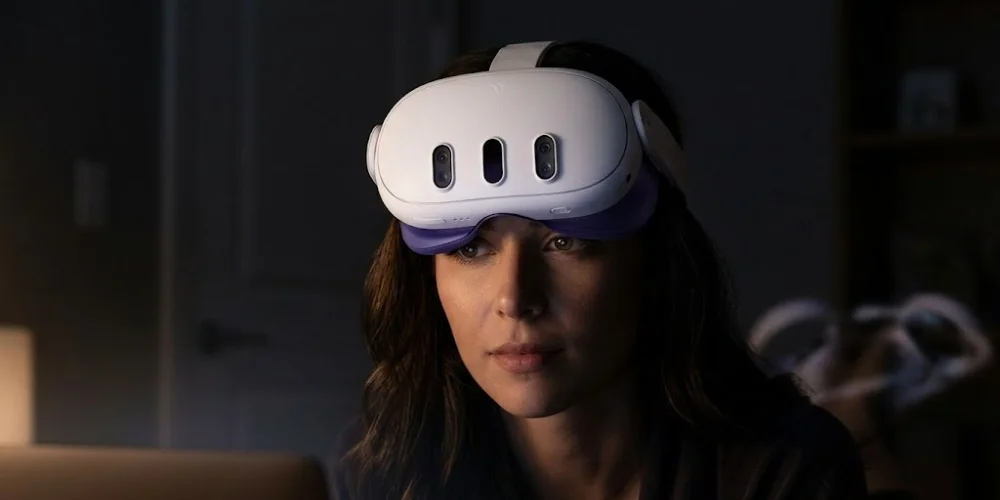
Meta Quest 3
When it comes to the search for the best mid-range reality headset under budget, then Meta Quest offers great features at reasonable prices. It is rated 4.5+ stars on multiple platforms, and that too by over 10,000 users. This proves its value and demand.
Key Features
Full‑Color Mixed Reality Passthrough
See your real environment with virtual elements seamlessly blended.
Snapdragon XR2 Gen 2 Chipset
Strong performance for smooth gaming and multitasking.
High‑Resolution Displays
2064 × 2208 per eye for sharp and crisp visuals.
✓ Pros
- Excellent mixed reality that blends AR and VR
- Strong performance with Snapdragon XR2 Gen 2 chipset
- High‑resolution displays for sharp visuals
- Comfortable and lighter design
- Standalone headset, no PC or console needed
✗ Cons
- Much more pricier than older Quest models
- Mixed reality content library is still growing
- Battery life is moderate, so it may need breaks
Top Feature
The standout feature of it is the full‑color mixed reality passthrough. Hence, this lets you see your real environment with virtual elements.
Who It's For
This headset is ideal for gamers and tech enthusiasts. It doesn't require a PC. So, for this reason, it is great for users who prefer a standalone system.
Technical Specifications
2064 × 2208 per eye
Qualcomm Snapdragon XR2 Gen 2
8 GB
128 GB or 512 GB
Up to ~2.9 hours per charge
~1.13 lbs (515 g)
6° of Freedom (6DoF)
Wi‑Fi 6E, Bluetooth 5.2

Apple Vision Pro M5 Version
This is also one of the many best mixed reality headsets. It comes with a powerful M5 chip and a comfortable Dual Knit Band. It is positively rated by many users. The real ratings for it range from 4.0 to 4.5 stars across different platforms.
Key Features
Ultra‑Sharp Displays
~3660 × 3200 per eye with stunning visuals
Apple Silicon M5 + R1
Powerful performance for smooth spatial computing
Eye, Hand & Voice Control
Intuitive spatial computing experience
✓ Pros
- Ultra‑sharp high‑resolution displays
- Powerful Apple Silicon for smooth performance
- Seamless spatial computing with intuitive controls
- Premium build quality
- Spacious workspace and media viewing
✗ Cons
- Very expensive compared to others
- May feel bulky during long use
- Limited app/game library
Top Feature
Spatial computing with eye, hand, and voice control that blends apps and content cohesively into your real environment.
Who It's For
Ideal for tech enthusiasts, productivity users, artists, and creative workers as an immersive tool for work and media.
Technical Specifications
Dual micro-OLED; 23 million pixels
~3660 × 3200 per eye
16 GB Unified RAM
256 GB / 512 GB / 1 TB
2.5-3 hr
750–800 g
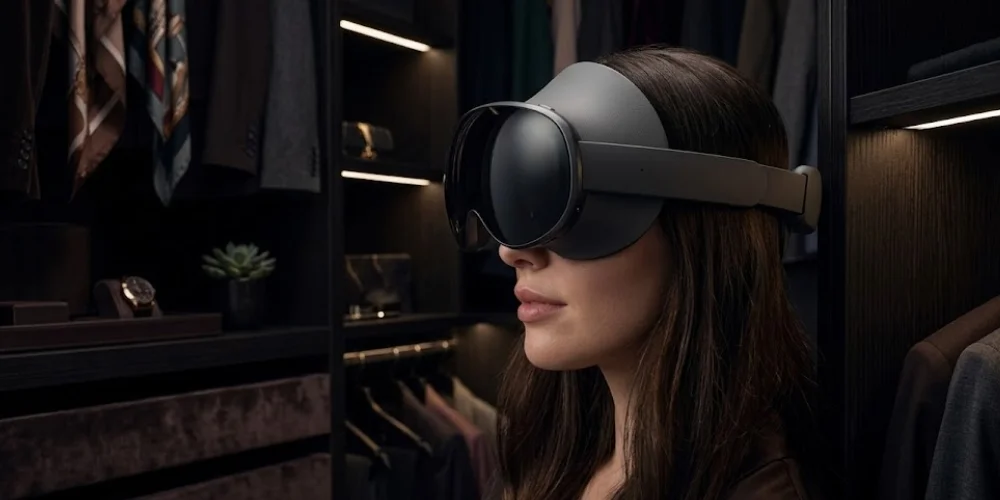
Samsung Galaxy XR
This is among the latest models. This MR headset is empowered by AI controllers. This allows for more precise movements. It also comes with the Explorer Pack, which provides access to different sorts of premium content subscriptions. On the original site, the gear is somehow rated as 4.1+ stars.
Key Features
Dual 4K-Class Displays
3552 × 3840 per eye with sharp visuals
Snapdragon XR2+ Gen 2
Powerful performance for immersive experiences
Android XR Integration
Access Android apps in spatial environment
✓ Pros
- Dual 4K-class micro-OLED displays with sharp visuals
- Powerful Snapdragon XR2+ Gen 2 performance
- Android XR supports many Android apps
- Eye, hand, and voice tracking controls
- Premium mixed reality with advanced sensors
✗ Cons
- Much more expensive than others
- An external battery requires a cable connection
- Limited availability in early markets
Top Feature
Android XR integration allows access to Android apps in a spatial mixed reality environment with AI-powered controls for multitasking with floating windows.
Who It's For
Great choice for productivity users and tech enthusiasts who prefer multitasking and immersive workspace experiences.
Technical Specifications
Dual Micro-OLED, ~3552 × 3840 per eye
Snapdragon XR2+ Gen 2
16GB
256GB
External battery pack (~2 hours)
545g (Headset) + 302g (Battery)
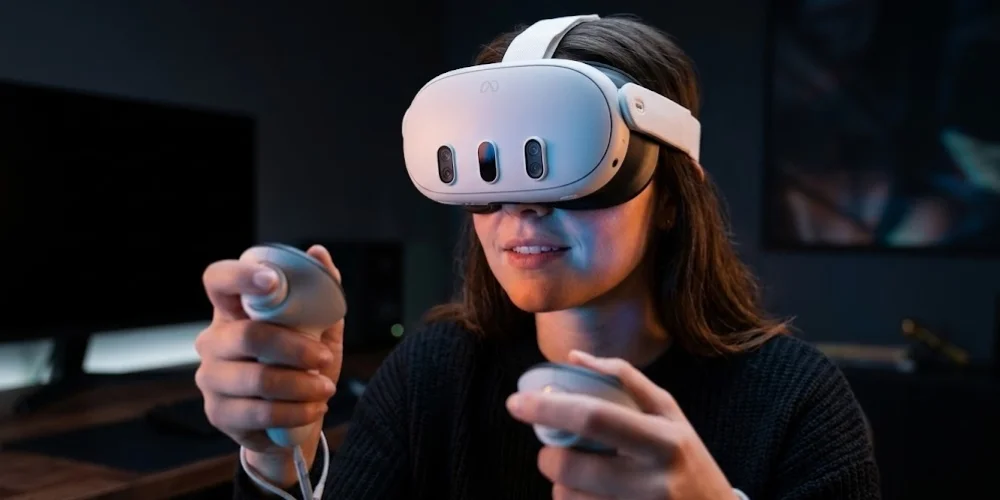
Meta Quest 3S
A great option for people searching for a mixed reality headset under budget. It mostly has the same features as the original version but optimized for budget. Exceptionally rated 4.7+ stars across many platforms.
Key Features
Full Color Mixed Reality Passthrough
Experience mixed reality with real-world view and virtual elements.
Snapdragon XR2 Gen 2
Same powerful processor as Quest 3 for smooth performance.
Affordable Price Point
Budget-friendly mixed reality option without compromising performance.
✓ Pros
- Much more affordable than Quest 3
- Same Snapdragon XR2 Gen 2 performance
- Full color mixed reality passthrough
- Lightweight and comfortable design
- Standalone headset with no PC required
✗ Cons
- Lower resolution than Quest 3
- Uses older Fresnel lenses
- Mixed reality quality not as sharp as premium models
Top Feature
Quest 3 level performance at a lower price with the same Snapdragon XR2 Gen 2 chip and full colour mixed reality support. This makes it among the best budget mixed reality headsets.
Who It's For
Ideal for beginners, casual users, and gamers who want mixed reality without spending too much. Great for students and home entertainment use.
Technical Specifications
1832 × 1920 per eye (Single Fast-Switch LCD)
Snapdragon XR2 Gen 2
8GB LPDDR5
128GB / 256GB
4,324 mAh (~2.5 hours average)
514g (with standard strap)
96° Horizontal / 90° Vertical
Touch Plus (Ringless) with TruTouch Haptics
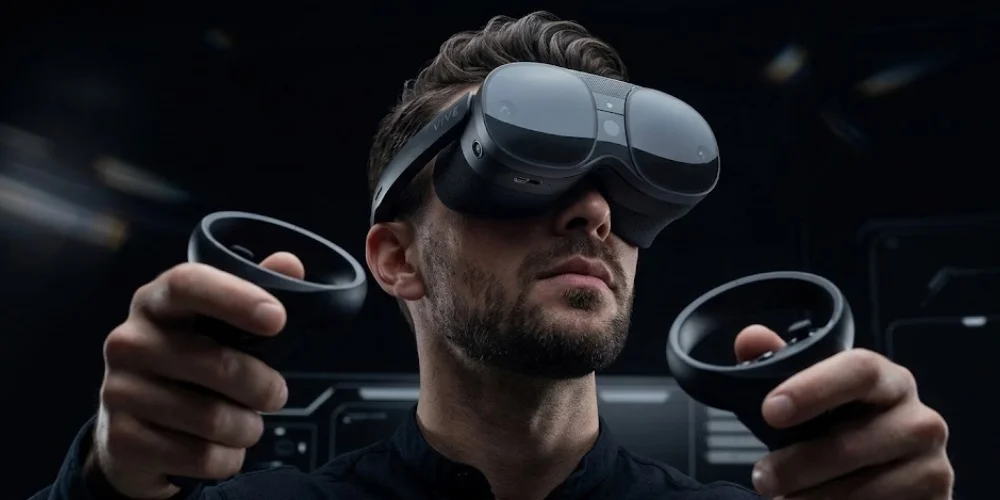
HTC Vive XR Elite
Comes with a convertible design that acts as an MR and VR headset simultaneously. Lightweight choice making it easy to wear for longer duration. Average rating approx. 4.0 stars.
Key Features
Convertible Modular Design
Detach battery and use as lightweight XR glasses
Full Color Passthrough
Mixed reality with real-world view
Adjustable Diopter
Glasses-free use with adjustable lenses
✓ Pros
- Compact and lightweight modular design
- Works as standalone and PC VR headset
- Full color passthrough mixed reality
- Adjustable diopter for glasses free use
- Good performance with Snapdragon XR2 chip
✗ Cons
- Expensive compared to Quest models
- Smaller content ecosystem
- Battery pack adds extra setup
Top Feature
Convertible modular design allows you to detach the battery and use it like lightweight XR glasses, or attach for full standalone mixed reality. This flexibility makes it different from most bulky headsets.
Who It's For
Ideal for professionals and PC VR users who want a portable mixed reality device with flexible setup. Good for travel-friendly XR use.
Technical Specifications
1920 × 1920 per eye (3840 × 1920 combined) LCD
Snapdragon XR2 Gen 1
12GB LPDDR5
128GB
24.32 Wh (~2 hours, hot-swappable)
625g (with battery) / 273g (Glasses Mode)
110° (Diagonal)
6DoF Inside-out + AI hand tracking
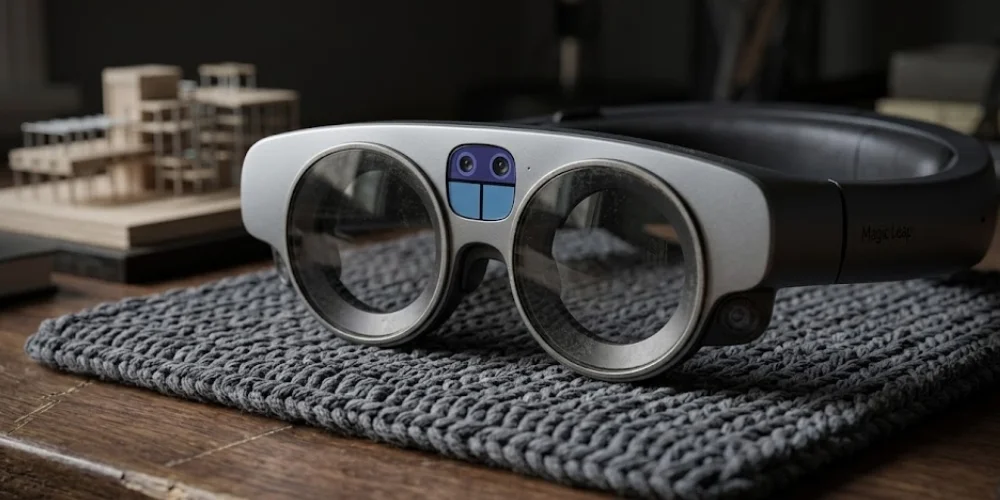
Magic Leap 2
Top-notch choice designed particularly for professionals. Maintains positive rating across multiple channels with a complete 5-star rating. Provides value for money despite being costly.
Key Features
True See-Through Mixed Reality
Optical see-through waveguide with Dynamic Dimming overlays digital content directly on real-world view.
Lightweight with Offloaded Compute
Headset weight ~260g with external compute pack for comfortable long-term wear.
Enterprise-Grade Performance
Strong performance with dedicated processing unit for professional workflows.
✓ Pros
- True see-through mixed reality optics
- Lightweight headset with offloaded compute pack
- Large field of view for enterprise AR tasks
- Strong performance with dedicated processing unit
- Designed for long professional use
✗ Cons
- Very expensive enterprise-focused device
- Requires external compute pack and cable
- Not designed for gaming or casual users
Top Feature
True optical see-through mixed reality overlays digital content directly on the real-world view for improved clarity and precision in professional work environments.
Who It's For
Built for enterprise professionals including engineers, healthcare teams, and industrial workers for training and visualization tasks.
Technical Specifications
Optical see-through waveguide with Dynamic Dimming
Up to 70° diagonal (approx. 45°H x 55°V)
AMD Zen 2 (4-core/8-thread) + Custom CVIP
16GB LPDDR5 (5500 MT/s)
256GB NVMe
Up to 3.5 hours continuous (7 hours sleep mode)
~260g (with headstrap)
6DoF, Eye Tracking (4 cameras), Hand Tracking
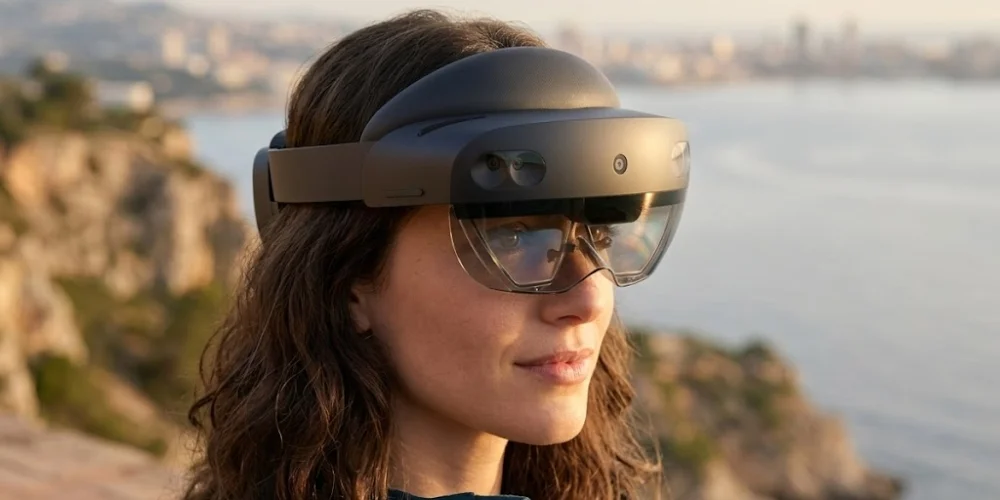
Microsoft HoloLens 2
Another premium model designed for high-level professionals. Although discontinued, you can still find it across various markets. Praised for its working by verified literature sources.
Key Features
True Optical See-Through
Holographic waveguide with 2K light engines for clear mixed reality.
Controller-Free Hand Tracking
Fully articulated hand tracking with natural holographic interaction.
Enterprise Collaboration Tools
Strong tools for remote assistance and industrial workflows.
✓ Pros
- True optical see through mixed reality
- Comfortable balanced headband design
- Advanced hand and eye tracking
- No controllers required for interaction
- Strong enterprise and collaboration tools
✗ Cons
- Very expensive enterprise-focused device
- Limited gaming and consumer apps
- Production discontinued, availability limited
Top Feature
Controller-free hand tracking with holographic interaction allows users to interact with 3D objects naturally in real space, ideal for training and industrial workflows.
Who It's For
Specifically created for enterprise professionals including engineers, healthcare workers, and field technicians for training, remote assistance, and 3D visualization.
Technical Specifications
See-through holographic waveguide (2K 3:2 light engines)
52° diagonal (approx. 43°H x 29°V)
Qualcomm Snapdragon 850 + HPU 2.0
4GB LPDDR4x
64GB (UFS 2.1)
2 to 3 hours of active use
566g
6DoF, Hand Tracking (fully articulated), Eye Tracking
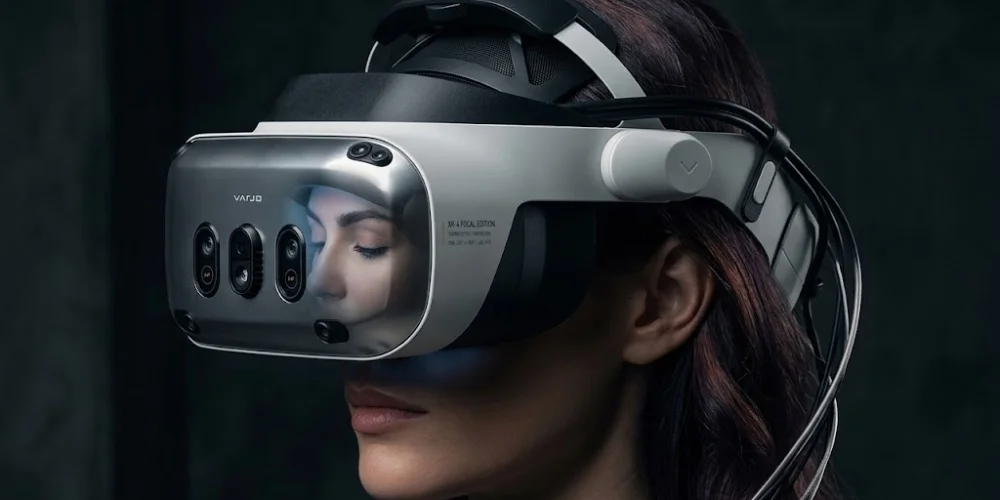
Varjo XR-4
Best mixed reality headset for training and simulation. Not marketed for general users. Mostly used for technical precision by professionals.
Key Features
Dual 4K Per Eye Displays
3840 × 3744 per eye with mini-LED technology for ultra-high pixel density.
Very Wide Field of View
120° x 105° for immersive experience with exceptional clarity.
Professional-Grade Passthrough
Dual 20MP passthrough cameras with high precision tracking.
✓ Pros
- Extremely sharp dual 4K per eye displays
- Very wide field of view for immersion
- Professional-grade mixed reality passthrough
- Eye tracking with foveated rendering support
- Built for high precision training and simulation
✗ Cons
- Extremely expensive enterprise-level device
- Requires powerful PC workstation
- Wired setup not portable
Top Feature
Dual 4K per eye mini LED displays with ultra-high pixel density make it one of the most realistic XR headsets available today.
Who It's For
Presented for enterprise and simulation use. Suits pilots and engineers who require extreme visual accuracy. Not made for casual users.
Technical Specifications
Dual Mini-LED (3840 x 3744 per eye)
120° x 105°
Inside-out (Integrated) + SteamVR (Optional add-on)
Dual 20MP passthrough cameras
200Hz sub-degree accuracy gaze tracking
No internal battery (Wired power via 60W adapter)
~1.02 kg (665g headset + 356g headband)
PC tethered (1x DisplayPort 1.4 + 1x USB-C)
Lenovo ThinkReality VRX
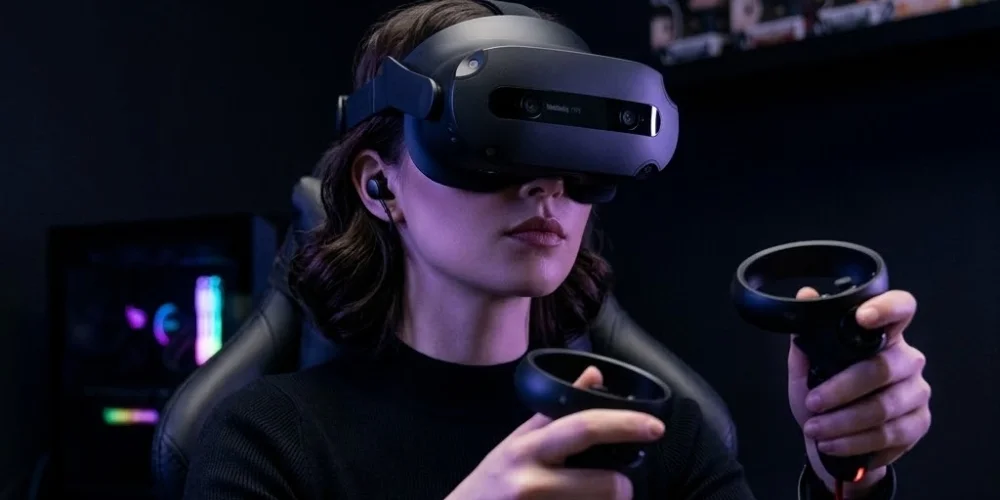
All-in-one virtual reality headset with mixed color passthrough technology. Acts as a standalone system without requiring any PC for setup. Rated 4.2+ stars across multiple review channels.
Key Features
Full Color Mixed Reality Passthrough
Dual HD full-colour cameras for immersive MR experience with real-world view.
Standalone + PC Streaming
Run independently or connect to workstation for more power.
Lightweight Pancake Lens Design
Reduces front-profile bulk for comfortable long-term wear.
✓ Pros
- Full color mixed reality passthrough
- Standalone and PC streaming support
- Lightweight pancake lens design
- Qualcomm Snapdragon XR2+ Gen 1
- Comfortable for long enterprise sessions
✗ Cons
- Enterprise-focused with limited consumer apps
- Expensive compared to consumer headsets
- Availability mostly through business channels
Top Feature
Standalone plus PC streaming flexibility allows it to run independently or connect to a workstation for more power, suitable for simulations and professional workflows.
Who It's For
Specifically presented for enterprise and training environments. Suits businesses, educators, and remote collaboration tasks.
Technical Specifications
Dual 2.1" LCD Panels; 2280 × 2280 per eye
Pancake Lenses (reduces front-profile bulk)
70Hz / 90Hz (selectable)
95° Diagonal
128GB UFS 3.1
~1.5 to 4 hours (application dependent)
~800g – 830g (Approx. 1.76 – 1.83 lbs)
6DoF Inside-out via 4 Integrated Cameras
VRgineers XTAL 3 CAVU
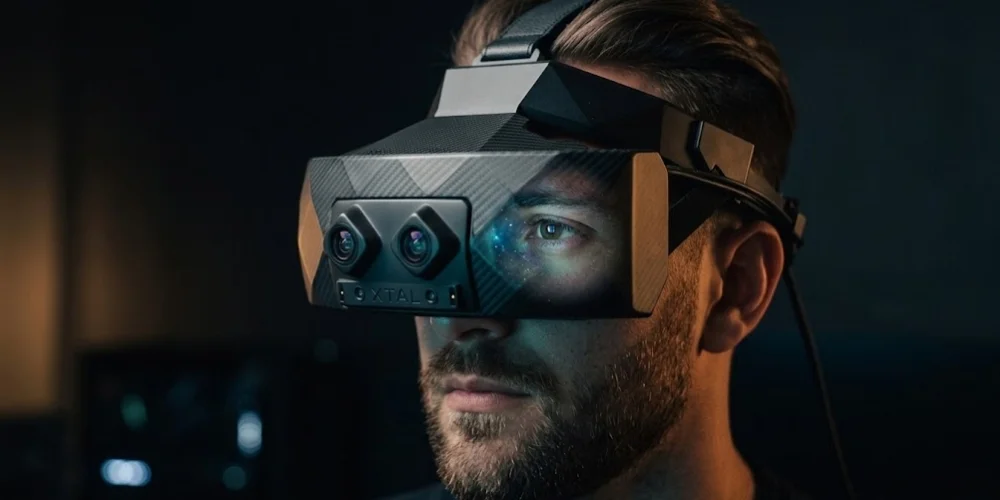
One of the best mixed reality headsets designed for aerospace professionals. High-grade accessory not available for general public. Limited edition available in the market.
Key Features
180° Ultra Wide Field of View
180° Horizontal / 90° Vertical for realistic immersion.
Ultra Low Latency MR System
~1ms latency with dedicated FPGA processing and high resolution sensors.
Dual 4K Displays
3840 × 2160 per eye with high fidelity optics.
✓ Pros
- Extremely wide field of view for realistic immersion
- Dual 4K displays with high fidelity optics
- Ultra low latency mixed reality system
- Professional grade passthrough with high resolution cameras
- Designed for pilot training and simulation accuracy
✗ Cons
- Very expensive enterprise level headset
- Requires powerful PC and simulator setup
- Wired and not portable for casual use
- Limited Edition
Top Feature
180° ultra wide field of view with ultra low latency MR using dedicated FPGA processing and high resolution sensors reducing latency to around 1 ms.
Who It's For
Built for flight simulation and defense training. Suits pilots, aerospace engineers, and research labs. Not for gaming or everyday use.
Technical Specifications
Dual 4K LCD (3840 × 2160 per eye)
180° Horizontal / 90° Vertical
75Hz (at 4K) / 120Hz (at 1440p)
Dual 24MP Cameras (1ms Latency)
Inside-out, SteamVR, OptiTrack, Vicon
Integrated (120Hz native)
~600g (Headset only)
PC-Tethered (No internal battery)
Comparison of Mixed Reality Headset Features
After going through the above list, it has become clear that each model has to offer something of its own. So here is a quick recap and comparison of the main features of the best MR headsets:
| Headset | Field of View (FOV) | Resolution | Controllers | Compatibility | Price |
|---|---|---|---|---|---|
| Meta Quest 3 | ~110° horiz | 2064×2208 per eye | Touch Plus | Horizon OS, PC VR | $499 (512GB) |
| Meta Quest 3S | ~96° horiz | 1832×1920 per eye | Touch Plus | Horizon OS, PC VR | $299–$399 |
| Apple Vision Pro | ~100° | ~3660×3200 per eye | Hand/eye/voice | visionOS | $3,499+ |
| Samsung Galaxy XR | 109° horiz | 3552×3840 per eye | Hand/eye/voice ($250 extra) | Android XR | $1,799 |
| HTC Vive XR Elite | ~110° | 1920×1920 per eye | Included | Standalone/PC VR | ~$1,099 (Price dropped) |
| Magic Leap 2 | ~70° diag | 1440×1760 per eye | Included controller | Lumin OS | ~$3,299+ |
| Microsoft HoloLens 2 | ~52° diag | 2048×1080 per eye | Hand/eye/voice | Windows Holographic | $3,500 |
| Varjo XR-4 | 120° x 105° | 3840×3744 per eye | Optional | PC-tethered (Enterprise) | $8,100+ |
| Lenovo ThinkReality VRX | 95° | 2280 × 2280 per eye | 2 × 6 DoF Controllers (Included) | Android 12, PC VR | ~$1,299 |
| VRgineers XTAL 3 | 180° horiz | 3840×2160 per eye | Enterprise/SteamVR | PC-tethered | $8,000–$9,000+ |
Note: Prices vary based on demand and vendors. Always check the price before you make the final purchase.
Who Can Consider Mixed Reality Headset
As MR visualizes abstract concepts, so it can be used for various purposes. The gamers can enjoy interactive action challenges, students can learn various concepts, designers can visualize their 3D art, engineers can use them to construct models, and doctors can use them for surgical analysis.
Mixed reality can also become part of education and training for students. They can be used to demonstrate multiple concepts. Another great usage of these headsets is for real estate workers. They can use it for visualizing building designs. So, there are so many industries where you can use these headsets.
What to Look for While Searching for the Best MR Headsets
If you’re buying an MR headset for the first time, you need to know there are some things that you have to consider, as they affect the mixed reality experience. The following are the main aspects to be taken into consideration:
Field of View
So the FOV is actually the area you can see through the headset at one time. The headset with a small FoV makes you feel like you're looking through binoculars. So make sure to select the ones with a wider FoV.
Display Quality
To make a virtual object appear much more realistic, you need a high-resolution display with good colour accuracy. It is also important to check the refresh rate too. That is so because the higher the rates, the less motion blur and the more comfort for prolonged usage. On top of that, PPD (pixels per degree) also holds great value. Actually, a higher PPD is better for the eyes.
Tracking and Sensors
By the presence of advanced sensors, the moment can be tracked perfectly. It makes sure that your motions are perfectly mirrored in the MR space. So the SLAM quality, in fact, improves positional accuracy and also keeps virtual objects stable in your real environment. For this reason, you can find headsets with advanced sensors and inside-out tracking for precise motion capture.
Compatibility
Some MR headsets connect through Wi-Fi 6E/7, and others through Bluetooth or a plug-and-play setup. Also, device compatibility is important. Make sure to check the specification for a particular mixed reality headset for its compatibility with PC, console, or standalone setups.
Controllers and Interaction
The more great controllers and tracking systems, the better the immersive experience. You look for features like gesture control so you can interact without any buttons. On top of that, haptic feedback options provide a lifelike sensation. Also, make sure to look for input options like voice command or eye tracking movement.
Passthrough Architecture
This is the core technology which provides the MR experience. There are two types in the market. One being the digital passthrough. This uses the camera to display surroundings. On the other hand, there is another option known as Optical see through. It uses a transparent lens to visualize virtual reality. An immersive experience becomes better with former technology. However, the latter option is safer for long-term usage and feels much safer.
Software Eco-System
The software of MR apps also matters. You have to make sure that it supports multiple platforms like SteamVR, Microsoft Mixed Reality, or any other major MR marketplaces. You also have to take into account the developer support and updates. This makes you get new features and avoid any bugs, so in this way, the headset can last longer.
Comfort and Weight
Since it is highly likely that you are going to use the headset for longer sessions, so make sure to look for lightweight and comfortable designs. You may consider a mixed reality headset with padding and adjustable straps for ease of wearing.
Don’t Confuse Them with Smart Glasses
Let’s clear one common confusion. A lot of people mistake smart glasses for an MR headset. But here is the thing, that they are actually different. Smart glasses are worn just like any regular pair of spectacles.
They are used for simple activities. This may include taking photos or recording videos, as well as to overlay digital elements into the real world. But they are not much interactive. On the other hand, mixed reality headsets offer a much more advanced and immersive experience.
Important Considerations Before Making a Purchase
Now that you know everything about the features and models of mixed reality headsets, so here are a few things to keep in mind before you spend a fortune on the models:
Price Comparison: So when you go online or to actual physical stores, you’ll see different prices. You can compare the prices for the best deal. But if the price seems too low, know that it might be a red flag.
Online Reviews: You can find the reviews online. You do not just have to see ratings from the purchase site. There is another option. You can read the review articles of an expert on the working of a particular sort of mixed reality headset line Reviews
Check Compatibility: See if your headset works well with your device or the application you have to run. Make sure to check if it is a standalone or PC supported system.
Fit Your Purpose: Not all mixed reality headsets are the same. Each offers different features and also support. So choose the one based on your specific need.
Review Warranty & Support: When you decide to buy, make sure to read their return policy. Also, a warranty comes standard with the gear. So you have to ensure that you get proper warranty information and guidelines. Also, ask the vendor if they offer after purchase support.
Things to Look Out for
Since you’re going to spend a lot of money on the headset, so make sure to avoid outdated models that lack any new features. Also, it is important to not buy from any unverified sellers due to the potential for scams.
Furthermore, ensure that the product comes with a proper warranty and return policy conditions. You also have to read the product description to see if all the required accessories are included or not. At last, make sure to compare prices as all vendors offer different values.
Final Recommendation
When you’re going to spend so much money on a mixed reality headset, make sure you choose the right model. All headsets do not offer the same features. So you have to go through the features of models to see if they fit your purposes. The Meta Quest 3 and Meta Quest 3s are considered the best MR headsets. They are perfect for general users for gaming or other activities. But when it comes to professionals, the choice always varies. The final recommendation is to do proper research before you finalize the purchase.
Frequently Asked Questions
Everything you need to know about mixed reality headsets
Mixed reality headsets combine AR and VR. It fuses the physical and digital worlds. This allows people to interact with virtual objects in real time.
Yes, it holds more than a 4.5+ star rating from over 10,000 customers. It comes under the $500 price range with ~110° horizontal field of view.
Universally, the Meta Quest 3 is considered the best MR headset. Besides that, when it comes to under-budget options, the Meta Quest 3S suits better. If you're considering premium options, then Apple Vision Pro is a great choice.
Windows Mixed Reality works with older PC headsets from HP, Samsung, Lenovo, Acer, and Dell. The most popular one of them is the HP Reverb G2, which is now discontinued. However, newer mixed reality headsets no longer rely on Windows Mixed Reality.
Yes, it is possible and commonly termed as cybersickness. You can solve this problem by initially starting with shorter sessions and take often breaks. Also, you can keep the frame rate high. For comfort, you can adjust the headset fit and IPD properly.
Not necessarily, a standalone system exists. They allow a full immersive MR experience without the need for a computer or PC. It is only required for intensive graphics PC VR games.
MR, called mixed reality, puts virtual elements into the real world. You can interact with the elements just like you would with real objects. On the other hand, VR lets you dive into an imaginary world that feels real. So, you can say MR makes imagination come to life, and VR takes you away from reality into imagination.
Not for kids under 13 years of age. This is so because of the potential risk to physical development and eye problems.
Yes, a lot of mixed reality headsets like Meta Quest 3 and Meta Quest 3S act as a standalone system. They do not require any PC connectivity.
Yes, they are generally safe. Although that may cause temporary problems. This includes eye strain, dry eyes, and even headaches. All can be relieved by drinking plenty of water, giving your eyes a little rest, and using eye drops.
No comments yet. Be the first to comment!
Leave a ReplyYour email address will not be published. Required fields are marked *