×
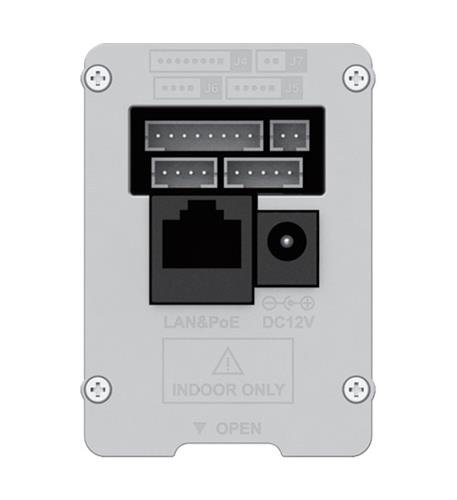
![Interface Board for the GDS Series]()
1 / 1
Interface Board for the GDS Series
34+ bought in past month
Price:
$55.00
Stock:
In Stock
24/7 Support
Same Day Dispatch
Easy Returns
Warranty 2-Years
Secure Connection Hub for Professional Access Control
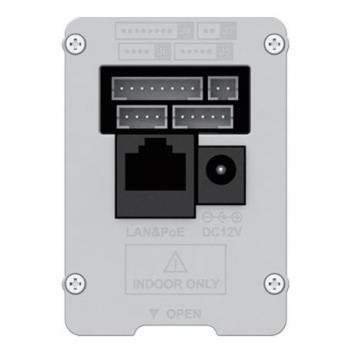
The Grandstream GDS Series Interface Board is a high-quality wiring module designed to act as the primary connection gateway for the GDS3710 and GDS3705 IP Door Systems. This board features a centralized terminal block on the rear, allowing you to directly terminate all essential security wiring, including Wiegand input/output, alarm triggers, and door strike power. The professional green PCB design matches standard security enclosures and mounting boxes, making this board an essential cable management accessory for home theaters, conference rooms, classrooms, and commercial installations that support headsets, phones, and other office accessories.
Wiegand and Alarm Signal Termination
The wiring interface, also known as a terminal board or breakout module, is the industry standard for managing professional security and communication signals. This module provides clearly labeled screw terminals, typically used to link the door station to external RFID Card Readers or existing third-party access control panels. The unit features integrated protection circuitry that serves as a significant advantage over direct splicing: you simply insert the stripped wire into the terminal and tighten the screw. No soldering, no crimping, and no special connectors are required. This makes field termination fast, reliable, and professional.
Unified Form Factor and Industrial Build Quality
This interface board is manufactured to standard enterprise specifications, ensuring it fits perfectly within the rear chassis of GDS series devices or within a standard GDS mounting box. The compact, rectangular shape snaps securely into place, providing a stable foundation for your facility's security infrastructure. The rugged industrial-grade components provide a clean, uniform appearance that matches modern security hardware and electrical decor. Unlike generic terminal strips, this official design disappears into your door system’s housing, putting the focus on your security integrity rather than the wiring. This subtlety is appreciated in high-end residential installations, corporate boardrooms, and professional studios.
Common Applications and Usage
GDS series interface boards are used in a wide variety of security and facility installations. They terminate the data lines for Wiegand-based access systems in large office complexes and distributed residential systems. They provide consistent connection points for exit buttons, door sensors, and electric strikes for older buildings or modern gated communities. They extend the functionality of the door station by simplifying the connection of external sirens or strobe lights, creating a clean installation. In conference rooms, they can be used to integrate the door system with local automation controls. In classrooms, they provide a secure point for emergency lockdown triggers. The screw-terminal design is especially valuable for custom installers who need to terminate many security loops quickly and consistently without carrying multiple types of proprietary plugs.
Easy Screw-Terminal Installation Process
Operating this module requires only a small flathead screwdriver and takes about a minute per connection. Begin by threading your security cables through the GDS unit’s backplate and stripping approximately 5mm of the jacket. For the termination process, simply insert the bare wire into the corresponding port (e.g., “GND,” “W0,” “W1,” “ALM”) and tighten the screw until the wire is held securely. The connection is vibration resistant and provides excellent signal transfer for years of use. After all wires are terminated, snap the board into the housing and secure the GDS unit to the wall. This makes field termination fast and ensures a professional result every time.
Why Choose Official Interface Boards Over Manual Splicing
Many installers use wire nuts or electrical tape for security connections, but these have limitations. Manual splicing is prone to loose connections, and the bulkiness is fixed, leading to crowded mounting boxes or wires that are easily pinched. The GDS series interface board solves both problems: you run your bulk wire (typically 18-24 gauge) through the terminal block and achieve a low-profile, organized connection. This results in a cleaner installation with no excess bulk and no unsightly wires protruding from your door system. Professional terminations are also more secure than taped splices, maintaining signal integrity over years of use. For professional installers, using the official interface board reduces support calls and increases installation speed.
Best Practices for Installation
Follow these guidelines for optimal performance from your GDS series interface board. Use high-quality headsets for Wiegand signals to prevent interference. Consistent labeling of your wires before they enter the mounting box will make termination easier; use a wire marker or colored tape for each loop. For multi-door installations, verify the pinout on the board matches your panel to ensure the gateway opens correctly. Label the interior of the mounting box with the zone names for future reference. Test the voltage at the door strike terminals with a multimeter before final assembly. Leave a small service loop of cable behind the board to allow for future maintenance. Use cable management ties to support heavy wire bundles and prevent stress on the terminal block.
Multi-Signal Support: Terminals for Wiegand, RS485, Alarm In/Out, and Door Strike power.
Screw-Terminal Design: Secure, tool-based termination; no soldering or crimping required.
Official GDS Accessory: Guaranteed fit for Grandstream GDS3710 and GDS3705 models.
Clearly Labeled Ports: Simplifies the wiring process for faster on-site deployment.
Industrial Build Quality: Designed for long-term reliability in varying facility environments.
Compact Form Factor: Fits perfectly inside GDS surface and in-wall mounting boxes.
Customer Reviews
Write a Review